
Biological Control with Trichogramma Wasps
What are Trichogramma wasps?
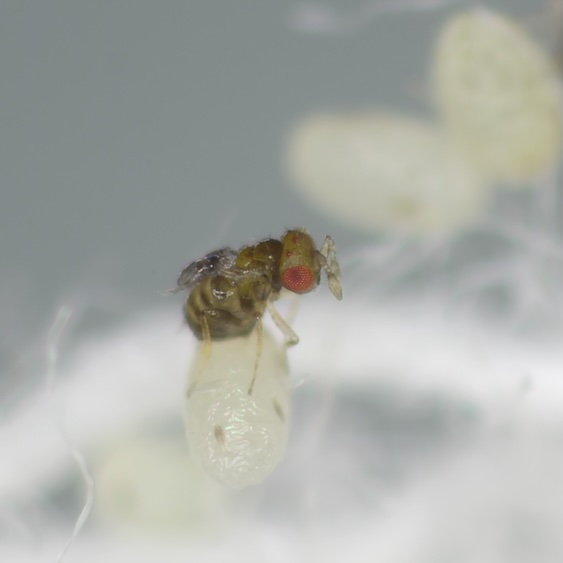
Beneficial wasps (often called parasitoid wasps) are tiny insects used to control pest populations biologically or naturally. Unlike social wasps that sting people, many species used in biological control of pests are extremely small and harmless to humans. Beneficial wasps lay eggs inside or on a certain stage of the pest insects; and the developing wasp larvae kill the pest host.
This approach has become a core component of Integrated Pest Management (IPM) as it offers a viable alternative to insecticide use.
Examples of where beneficial wasps are used in practice include:
- Aphid parasitoids for controlling aphids
- Whitefly parasitoids such as Encarsia formosa used in glasshouses
- Egg parasitoids such as Trichogramma species for caterpillar pests
- Fly parasitoids used in livestock facilities and stables
What are the benefits?
1. Natural pest control
Beneficial wasps reduce pest populations without relying heavily on chemical insecticides. They fit well within sustainable IPM programs.
2. Species-specific targeting
Most parasitoid wasps attack only certain pest species, reducing impacts on non-target organisms.
3. Reduced pesticide resistance
Biological control lowers dependence on insecticides, helping prevent resistance development in pest populations.
4. Environmental benefits
Biological control, when used outdoors, preserves pollinators and biodiversity better than application of broad-spectrum insecticides.
Frequently asked questions
Are beneficial wasps dangerous?
No. Most wasps use din biological control are extremely small, do not attack people, and are used specifically to target pest insects.
Will beneficial wasps harm bees?
Commercial biological control agents are selected for host specificity, thorough safety testing is important before introducing new agents. All species we use are native to the UK and are already living in the British countryside. These wasps will not harm bees.
Why use biological control instead of chemicals?
Biological control can reduce pesticide use, protect collection items from exposure to sprays, and provide longer-term pest suppression.
Can beneficial insects be used indoors?
Yes. There are many examples across Europe and wider afield where beneficial wasps and other biological control agents have been deployed: such as stored-food product, museums, archives, and heritage collections.
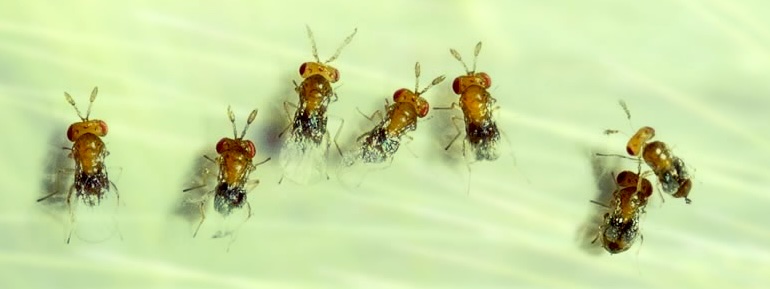
Beneficial wasps play vital roles in sustainable pest management. Tiny parasitoid wasps naturally suppress pest insects. Integrated Pest Management combines monitoring, biological controls, and targeted interventions to protect both people and the environment.