How to Manage and Control Clothes Moths
Clothes moths or Carpet Moths can be frustrating and sometimes difficult insect pests to manage. Because they favour dark, quiet and undisturbed areas, an infestation can become established before you realise there is a problem. Often, the first sign is not an adult moth at all, but damage to clothing, carpets, rugs or other vulnerable materials.
Successful clothes moth management involves more than simply killing the moths you see. You need to identify the pest correctly, find where the infestation is developing, remove or treat affected materials, monitor adult moth activity and take steps to prevent the problem from returning.
This guide explains how to identify clothes moths, how to find clothes moth larvae, how to monitor and trap clothes moths, how to treat an infestation and how to protect clothing, carpets and other textiles from further damage.
How to Identify Clothes Moths
Clothes moths and Carpet Moths are not different species. They can all attack the same and varied textiles. There are five species of moth in the UK that can attack materials such as clothing, carpets and other textiles. Two are the principal moth pests that can be damaging to items in homes and collections:
Webbing Clothes Moth (Tineola bisselliella)
Also known as the Common Clothes Moth, this is one of the main clothes moth species encountered in the UK.
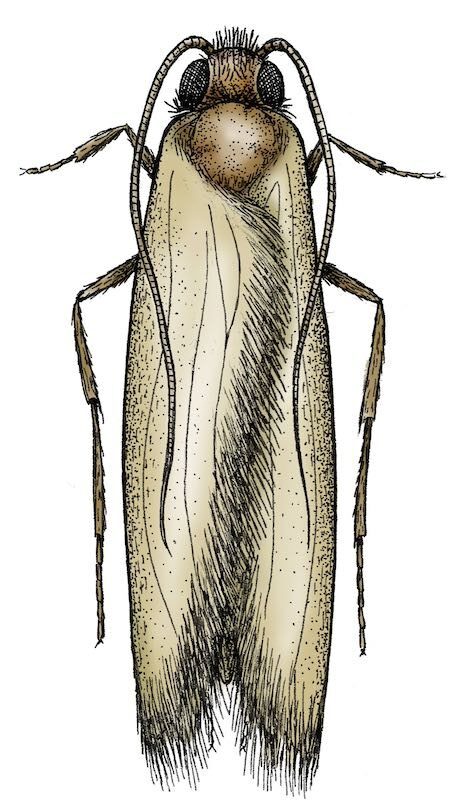
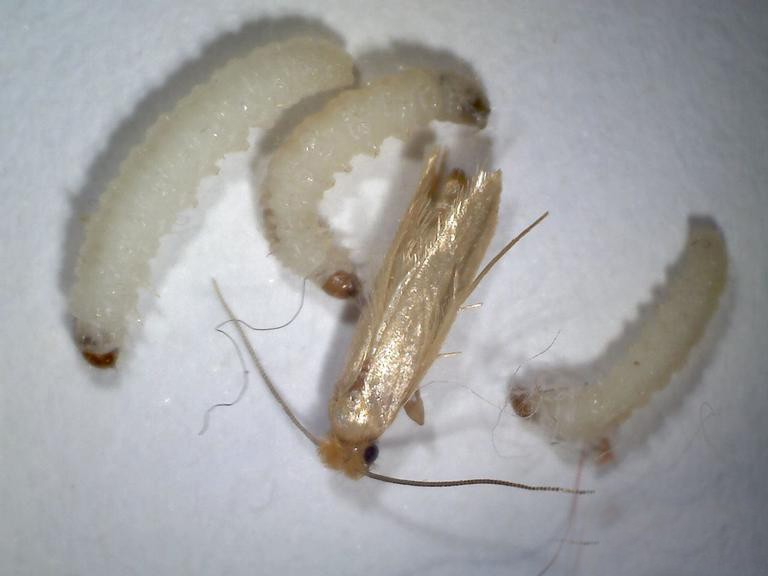
Adult Webbing Clothes Moths are small, approximately 5–8mm long, with shiny silvery-gold or silvery-fawn colouring. They have a distinctive tuft of orange hair on the head and long, thin antennae.
When conditions are cool, adults are relatively poor fliers. You may see them running or scuttling across surfaces, often relatively close to floor level. When warmer, they are more capable of flight.
They avoid light and favour dark, concealed and undisturbed areas.
The larvae are whitish or almost transparent with an orange-brown head and can reach approximately 10mm long. They produce strands and tunnels of silk webbing as they feed.
If you suspect Webbing Clothes Moths, the Pheromoth® Trap is a ready-to-use pheromone monitoring trap specifically designed for Tineola bisselliella.
Casemaking Clothes Moth (Tinea pellionella)
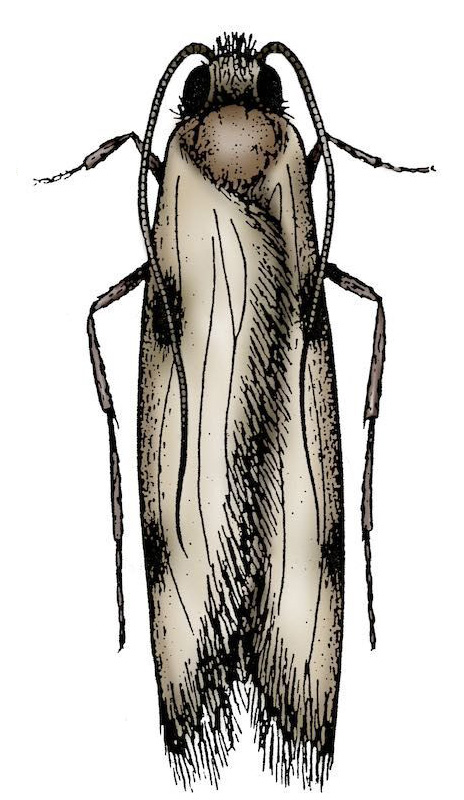
The Casemaking Clothes Moth, also commonly called the Case-bearing Clothes Moth, is another important textile pest.
One of its most useful identifying features is the behaviour of the larva. The larva constructs a small fibrous silken tube or case, incorporating fibres from the material upon which it is feeding.
The larva carries this case as it moves, and the fibres incorporated into it can make the case surprisingly well camouflaged against the affected material.
Webbing and Casemaking Clothes Moths can generally be managed using the same principles.
If you need to monitor for Case Making Clothes Moths, the Case Making Clothes Moths Kit contains a trap and a specific pheromone lure for the species, (Tinea pellionella)
If you need to monitor both of the main clothes moth species, the Clothes Moth Kit – Webbing & Case-making Moths contains a trap and combined pheromone lure designed to attract adult males of both Tineola bisselliella and Tinea pellionella.
Other textile-associated moths found in the UK include the Pale-backed Clothes Moth (Monopis crocicapitella), Brown House Moth (Hofmannophila pseudospretella) and White Shouldered House Moth (Endrosis sarcitrella).
How to Spot a Clothes Moth Infestation
The signs of clothes moths are often not obvious until damage has already occurred.
Clothes moth larvae primarily seek animal-based materials and may attack:
- Wool and woollen clothing
- Wool carpets and rugs
- Fur
- Hair
- Feathers
- Leather and skins
- Upholstery containing suitable natural fibres
- Taxidermy
- Natural history specimens
- Historic and ethnographic textiles
Larvae may also feed amongst lint, dust, cotton and linen, particularly where these contain oils, sweat and other organic debris.
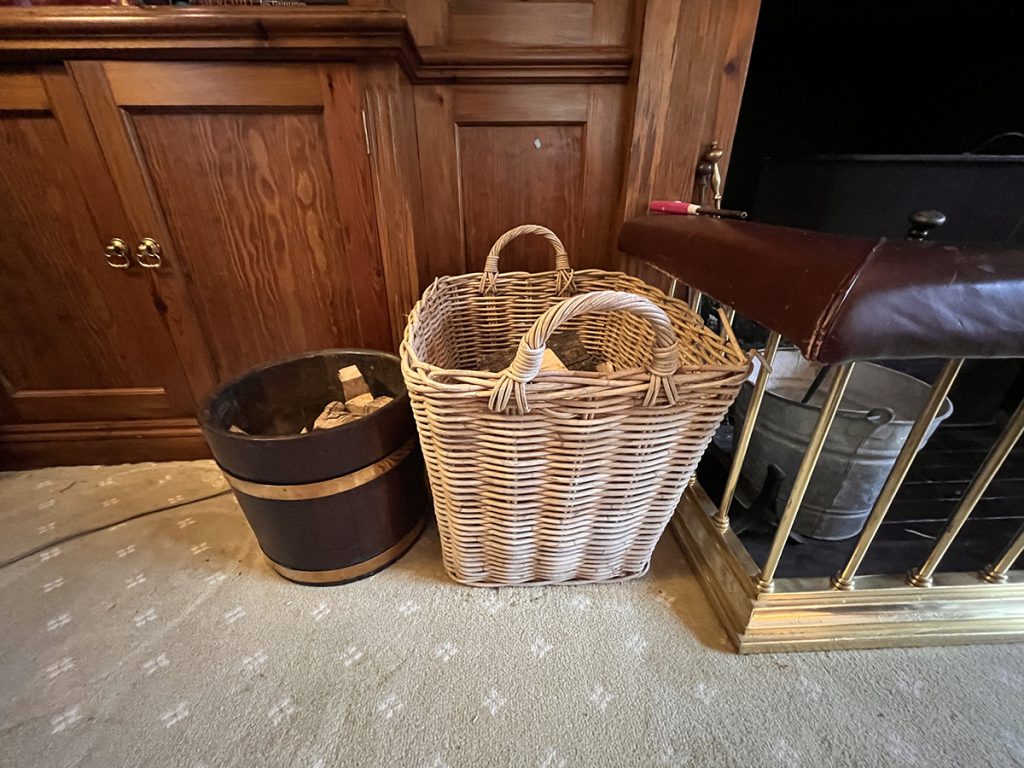
Items left sitting for a long time
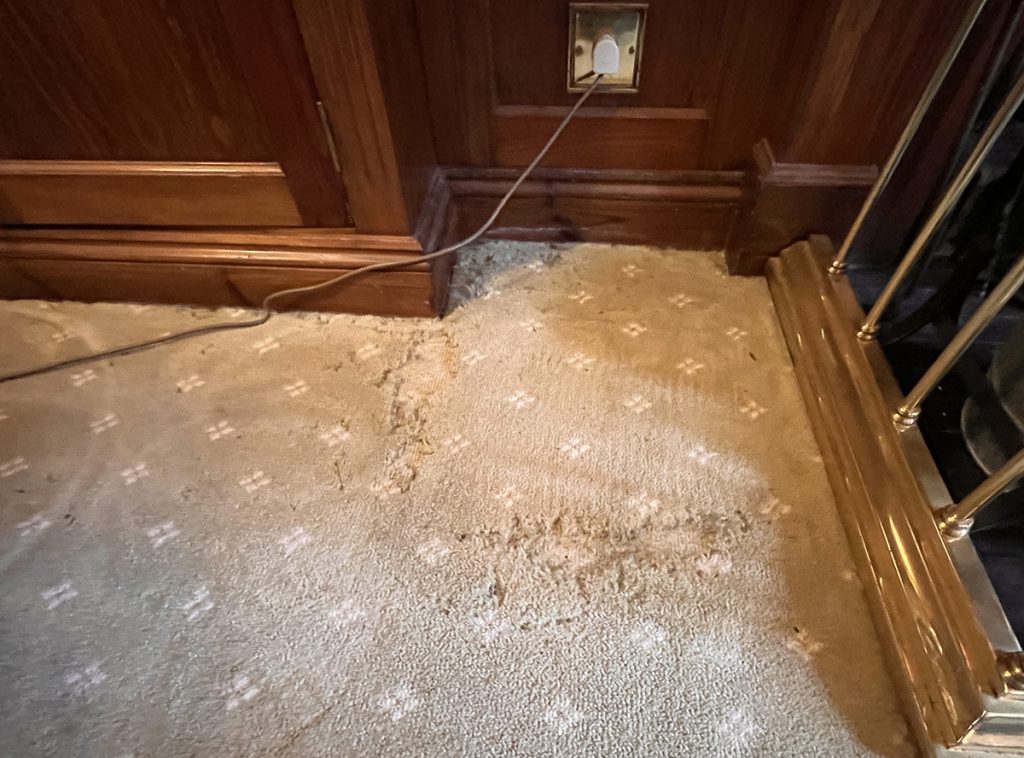
Consequential moth damage to carpet
Signs to Look For
Possible signs of a clothes moth infestation include:
- Small or irregular holes in clothing and textiles
- Bare or damaged areas of wool carpets and rugs
- Silky tunnels, sheets or strands across fabrics
- Small gritty or crusty deposits (often thought to be moth eggs) associated with damaged material
- Excessive shedding from fur
- Fibrous cases produced by Casemaking Clothes Moth larvae
- Adult moths running, crawling or flying away when clothing or fabrics are disturbed
Pay particular attention to items that have remained unused for a long time.
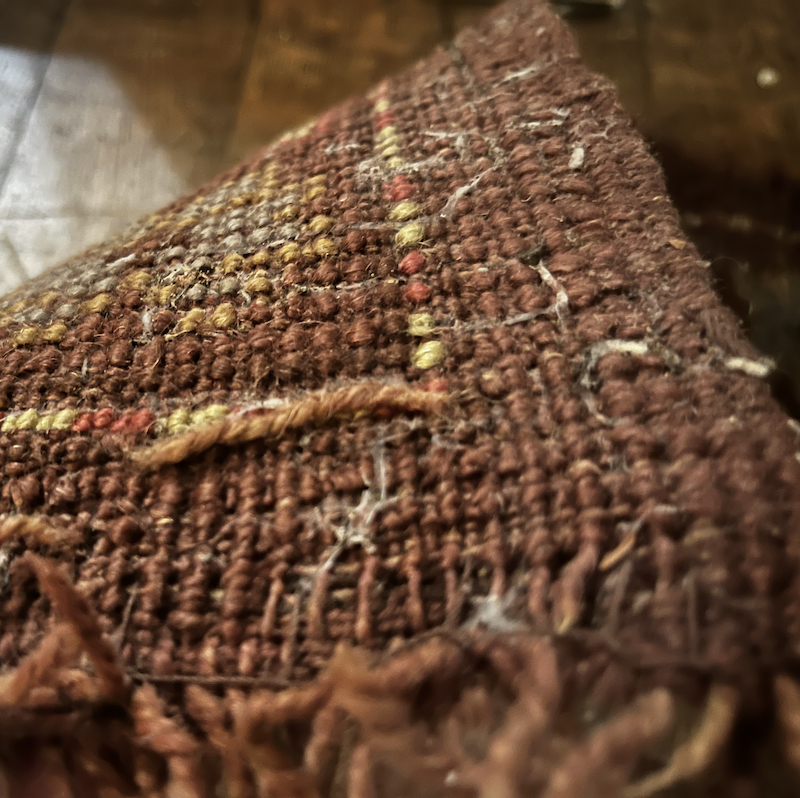
Clothes Moths or Carpet Beetles?
Not all textile damage is caused by clothes moths.
Carpet beetle larvae also attack natural fibres and can cause damage that may initially look similar.
One useful distinction is that clothes moth larvae are pale and can be associated with silk webbing, tunnels, frass or fibrous cases, depending upon the moth species.
Carpet beetle larvae are typically brown and hairy or bristly and may leave discarded larval skins around an infestation.
Correct identification is important because it allows monitoring and treatment to be targeted at the pest actually causing the problem.
Understanding the Clothes Moth Life Cycle
Understanding the clothes moth life cycle helps explain why an infestation can be persistent.
Clothes moths favour dark, undisturbed areas in which to feed, mate and reproduce.
Eggs and larvae are commonly found around the edges of rooms, beneath heavy or long-standing furniture and in areas that are rarely cleaned or disturbed.
During summer, eggs may hatch in approximately 4–10 days. In winter this may take three weeks or longer.
After hatching, the larvae find a suitable food source and begin feeding. Eventually, they pupate and emerge as adults.
The larvae and pupae can survive for months without food, which is one reason why clothes moth infestations can be difficult to eliminate.
The complete clothes moth life cycle usually takes approximately four to six months, meaning there can potentially be two or even three complete generations in a year.
Adult moths themselves do not cause the characteristic textile damage. It is the larval stage that feeds upon vulnerable materials.
Therefore, seeing and killing adult moths does not necessarily mean the infestation has been eliminated.

Where Do Clothes Moths Hide?
If you are trying to find the source of a clothes moth infestation, don’t concentrate only on places where you have seen adult moths.
Look for the places where the larvae have access to food and are unlikely to be disturbed.
Start by inspecting:
- Carpet edges
- Under beds
- Under sofas and chairs
- Under wardrobes and other heavy furniture
- Underneath rugs
- Inside wardrobes
- Drawers and cupboards
- Stored clothing
- Boxes of textiles
- Attics and storage areas
- Floorboard gaps and crevices
- Upholstered furniture
- Stored wool, fur or feather items
- Taxidermy and natural history specimens
Move furniture where practical and inspect areas that haven’t been cleaned for some time.
With wool carpets, pay particular attention to the edges and areas underneath furniture that is rarely moved.
With clothing, inspect folds, seams, pockets, collars and items at the back or bottom of wardrobes.
How Did Clothes Moths Get Into Your Property?
An infestation can begin in several ways.
Adult moths may enter through open windows and doors, originate from locations such as birds’ nests, or be introduced on infested objects.
Second-hand clothing, antique rugs, upholstered furniture and other textiles should therefore be checked carefully before being introduced into a home, museum, store or collection.
Finding the likely source is useful, but once clothes moths are established, the priority should be determining where larvae are actively feeding.
How to Monitor and Trap Clothes Moths
Monitoring is an important part of managing clothes moths.
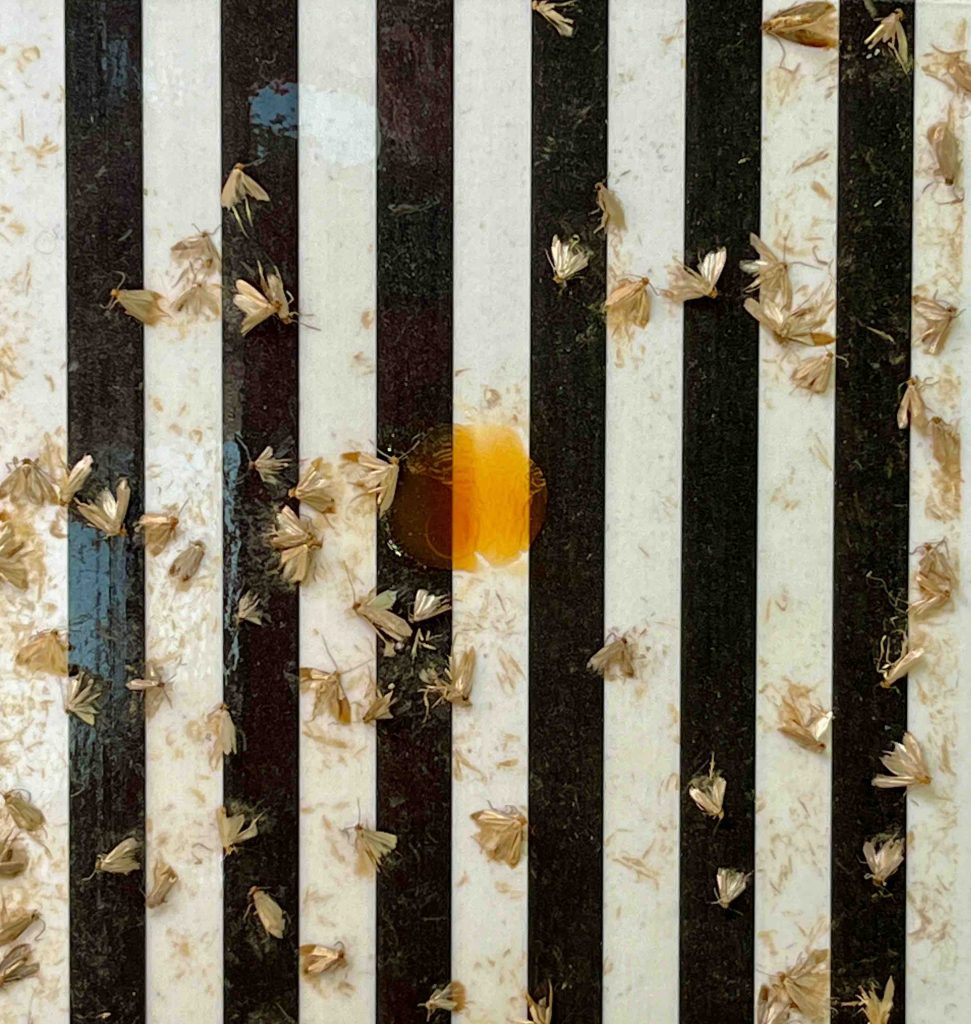
Pheromone traps can help establish whether adult moths are active and can help identify areas where activity is concentrated.
However, a pheromone monitoring trap should not be regarded as a complete clothes moth treatment on its own. Larvae may still be feeding elsewhere.
Monitoring Webbing Clothes Moths
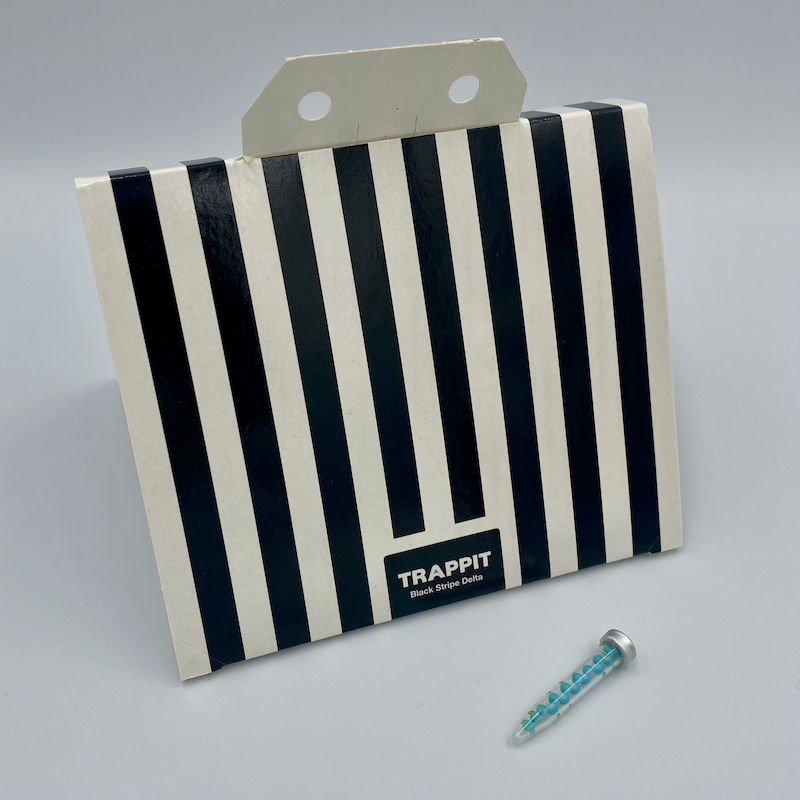
For the Common or Webbing Clothes Moth, the Historyonics Pheromoth® Trap is a ready-to-use pheromone monitoring trap designed to attract and trap adult Tineola bisselliella.
Because Webbing Clothes Moths are relatively poor fliers, traps should generally be positioned at a low level, such as on the floor or close to wardrobes, cupboards and shelving.
Pheromoth traps should be replaced approximately every three months, or earlier if the sticky surface has become covered with insects, dust or debris.
Recommended product: Pheromoth® Trap

Monitoring Both Principal Clothes Moth Species
Where you need to monitor both Webbing and Casemaking Clothes Moths, Historyonics supplies the Clothes Moth Kit – Webbing & Case-making Moths.
The kit contains a trap and combined bullet lure designed to attract adult males of the two principal UK clothes moth species, Tineola bisselliella and Tinea pellionella.
This can be particularly useful where the species has not yet been confirmed or where both species need to be monitored.
Recommended product: Clothes Moth Kit – Webbing & Case-making Moths
Historyonics also supplies a Case-bearing Clothes Moth Kit specifically for monitoring Tinea pellionella.
Using Traps to Help Locate an Infestation
If moths are being found throughout a property, strategically positioned monitoring traps can help determine where activity is greatest.
Keep records of:
- Where each trap is positioned
- When it was installed
- The species being monitored
- Numbers caught
- When traps or lures are changed
Increasing catches in one location can help focus your inspection on nearby carpets, furniture, wardrobes or stored materials.
This monitoring approach is particularly valuable as part of Integrated Pest Management (IPM) in museums, historic houses, archives and collections.
How to Get Rid of Clothes Moths
Once you have identified clothes moth activity, take a systematic approach.
Trying one product while leaving infested clothing, dust, larvae and other harbourages untouched is unlikely to provide the best result.
Step 1: Inspect Everything
Inspect clothing, carpets, rugs and other vulnerable materials.
Don’t restrict your inspection to the object where damage was first noticed. Check neighbouring items and surrounding areas.
Look for:
- Larvae
- Webbing
- Fibrous cases
- Frass
- Holes or grazing
- Adult moths
Separate potentially infested materials from clean items where practical.
Step 2: Shake Affected Textiles
Potentially affected clothes and rugs can be taken outside and thoroughly shaken to dislodge active larvae or moths.
If items are shaken indoors, thoroughly vacuum the surrounding area immediately afterwards.
Step 3: Vacuum Thoroughly
Good housekeeping is one of the most important elements of clothes moth management.
Vacuum:
- Carpets
- Carpet edges
- Rugs
- Beneath furniture
- Upholstered furniture
- Wardrobes and storage areas
- Cracks and crevices
- Skirting edges
- Other dusty or undisturbed locations
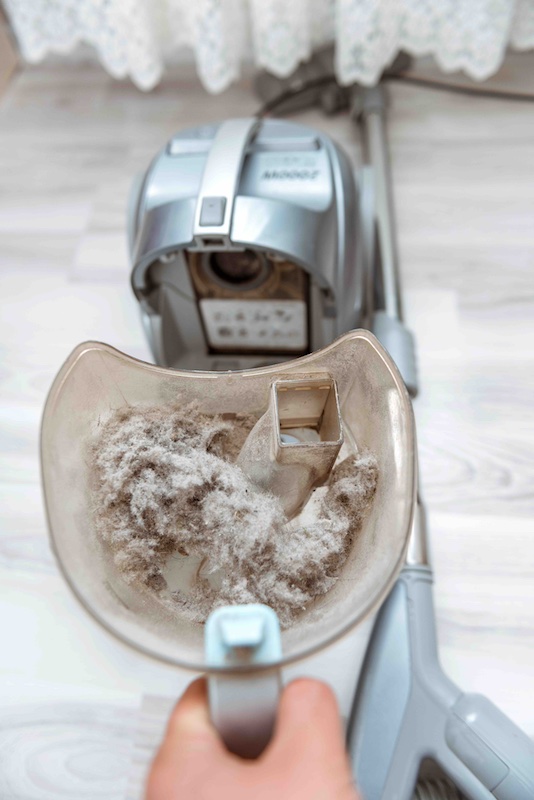
Pay particular attention to areas where fibres, hair, lint and dust accumulate. Once finished, deal with the vacuum contents.
For a vacuum cleaner using bags, remove the bag outside, seal it inside another plastic bag and dispose of it with household waste. With a bagless cleaner, empty the contents into a bag, seal it and dispose of it.
Clothes moth larvae can survive amongst dust and debris, so don’t leave material collected from an infested area sitting inside the property.
Treating Clothes Moth Larvae and Infested Areas
Cleaning and treating the places in which larvae are active is essential.
Historyonics Constrain® is a water-based insecticide spray designed for the control of flying and crawling insect pests, including clothes moths, and is suitable for use in domestic properties as well as historic, artistic and scientific collections.
A light spray can be applied to appropriate areas such as:
-
Around the sides of rooms
-
Carpet edges and skirtings
-
Undersides of rugs
-
Inside wardrobes and drawers with clothing removed
-
Between floorboards where gaps exist
-
Hidden areas behind or underneath furniture
Do not spray Constrain directly onto clothing.
With delicate surfaces, first test a small quantity on an inconspicuous area.
Once treated, allow the deposit to dry before the area is reused. Avoid immediately vacuuming a treated surface because this will remove the residual deposit.
Recommended product: Constrain®

Biological control for clothes moths with Biomoth
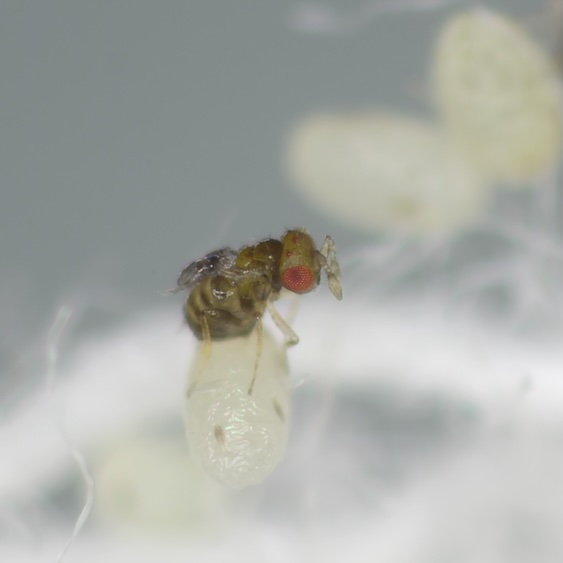
For a natural, biological approach to clothes moth management, Historyonics Biomoth Control uses tiny parasitoid wasps to target clothes moth eggs before they can develop into damaging larvae. Trichogramma evanescens is a UK native species and the individual wasps are extremely small — smaller than a full stop on a printed page. Historyonics
The female wasps actively search for moth eggs and parasitise them. This prevents the clothes moth egg from developing into a larva, helping to interrupt the clothes moth life cycle at an early stage. The approach can be used both preventatively and as part of an active clothes moth control programme, although repeated introductions are required for persistent infestations. Historyonics
Biomoth sachets can be placed in areas where clothes moth activity is suspected, including:
- Wardrobes
- Drawers
- Textile storage areas
- On top of stored clothing
- Carpets and rugs
- Other fabrics at risk from clothes moths
One sachet can treat an area of up to approximately 25m². The sachet should be placed flat and should not be opened or cut; the wasps emerge through the existing exit holes. Historyonics
For ongoing protection, sachets should generally be replaced every four weeks.
Why Use Biological Control for Clothes Moths?
Biomoth can be particularly useful where a non-insecticidal or low-intervention approach is preferred, including museums, historic houses, collections, textile stores and domestic environments.
Rather than treating adult moths after they have emerged, Biomoth targets the infestation at the egg stage, reducing the number of larvae that go on to feed on wool, fur, feathers and other vulnerable materials.
It therefore complements other clothes moth management techniques such as:
- Monitoring with pheromone traps
- Good housekeeping and vacuuming
- Freezing or laundering affected textiles
- Targeted treatment of harbourages
- Long-term population management
Washing Clothes to Kill Clothes Moths
Where the material permits, clothing can be washed at a high temperature of 60°C.
This will eliminate most moths and larvae in clothing.
Always check the garment’s care instructions before using high-temperature washing.
Delicate, antique and historic materials may require an alternative approach.
Can You Freeze Clothes Moths?
Yes. Freezing is an option for many materials that cannot be washed at 60°C.
Place suitable affected items inside a sealed plastic bag and freeze them for two weeks at -20°C.
At this temperature and duration, the treatment is intended to kill clothes moth eggs, larvae and adults.
Always ensure that the material itself is suitable for freezing, particularly when dealing with valuable, historic or composite objects.
Treating Voids and Inaccessible Areas
Clothes moth larvae can sometimes survive in dry, inaccessible spaces where fibres and other organic debris have accumulated over time.
This can include spaces underneath floorboards or behind wardrobes.
For suitable dry voids, InsectoSec® Diatomaceous Earth Powder can provide a residual treatment.
Diatomaceous earth should only be used in accordance with its product instructions and in appropriate locations.
Recommended product: View InsectoSec® and other Clothes Moth Products
Space Treatments for Clothes Moths
A space treatment can be useful as part of a wider management programme where adult moths and exposed larvae need to be targeted.
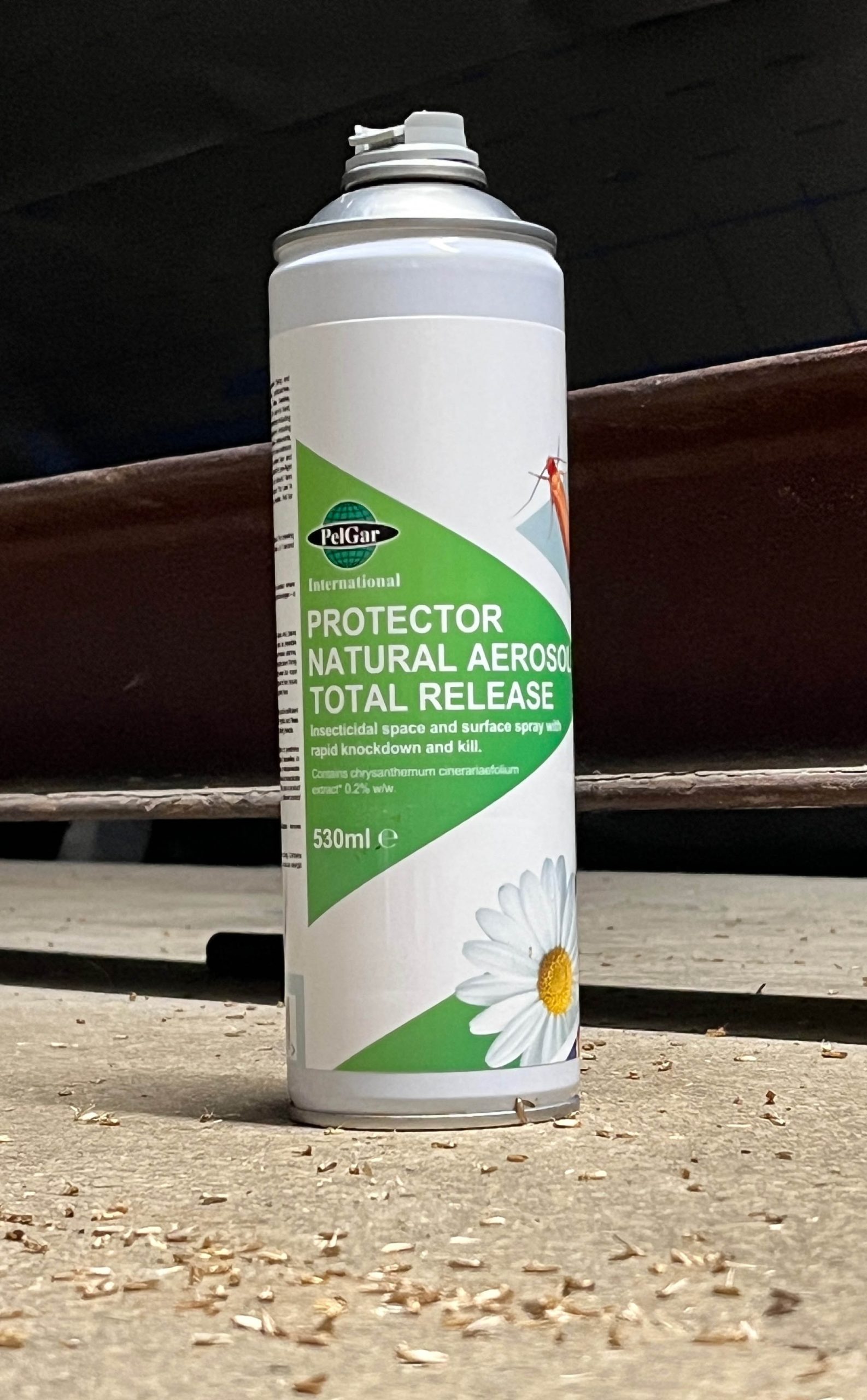
Historyonics supplies Protector Natural Aerosol Total Release for space treatment.
It can be used as a total-release room fogger and contains natural pyrethrins.
When following the Historyonics clothes moth guidance, doors and windows are closed while cupboard and wardrobe doors are opened so the treatment can reach exposed areas.
After activation, leave the treated area for at least two hours before re-entering and thoroughly ventilate it for at least 30 minutes before entry.
Space treatment should be combined with inspection, cleaning and treatment of larval harbourages rather than relied upon by itself.
Recommended product: Protector Natural Aerosol Total Release
Always read and follow the current product label and safety instructions before using any pesticide.
Long-Term Clothes Moth Population Management
For locations experiencing persistent Webbing Clothes Moth activity, Historyonics also offers T PROTECT™.
T PROTECT uses the clothes moth’s own pheromone communication system to make it more difficult for male Webbing Clothes Moths to locate females.
Rather than trapping or killing moths, the system is designed to reduce successful mating encounters, which can result in fewer eggs and consequently fewer damaging larvae over time.
It works continuously for up to six months and is designed to form part of a wider Integrated Pest Management programme alongside monitoring, housekeeping and other control measures.
Recommended product: T PROTECT™
Protecting Clothes After Treatment
Once an infestation has been brought under control, avoid simply returning everything to the same conditions that allowed clothes moths to become established.
Clean clothing before long-term storage.
Items that are rarely used can be dry-cleaned or appropriately laundered and then placed inside moth-proof storage bags or containers.
They do not necessarily need to be vacuum sealed.
The important point is that items should be clean and free of moths before being sealed.
Historyonics also supplies Zero In® Moth Balls – New Generation, designed to protect clothing in enclosed areas such as wardrobes, drawers, cupboards, storage bags and containers.
They provide protection against clothes moths, larvae and eggs for up to approximately three months.
Recommended products: Zero In® Moth Balls – 10 Pack or Zero In® Moth Balls – 30 Pack
Always follow the individual product instructions.
How to Prevent Clothes Moths Coming Back
Prevention should be considered part of clothes moth management rather than something that happens after treatment has finished.
Reduce Undisturbed Fabrics
Large quantities of clothing and fabrics that are rarely moved provide ideal harbourages.
Consider reducing unnecessary stored material and regularly inspect items you wish to retain.
Keep Clothes Clean
Clean clothing before putting it into long-term storage. Even clothes worn for relatively short periods can accumulate skin oils and organic residues that make them more attractive to clothes moth larvae.
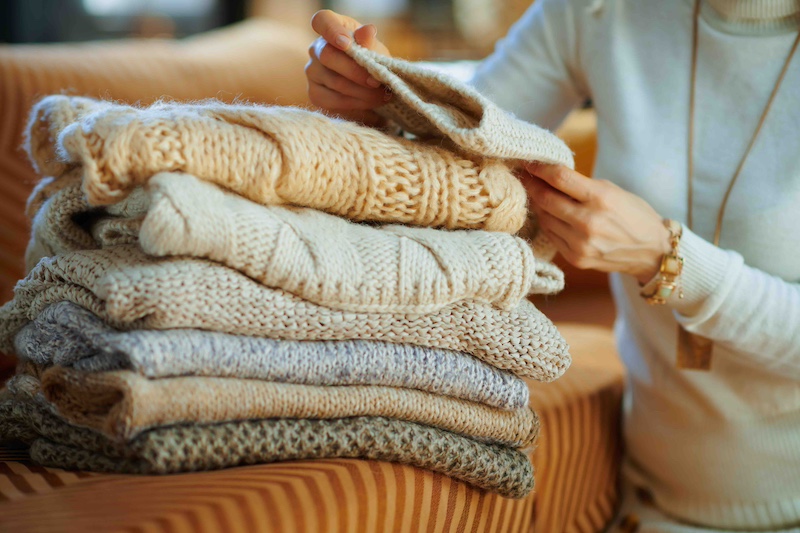
Hang Rather Than Stack
Piles of undisturbed clothing provide excellent concealed areas for moths.
Where practical, hang clothes and regularly move and inspect them.
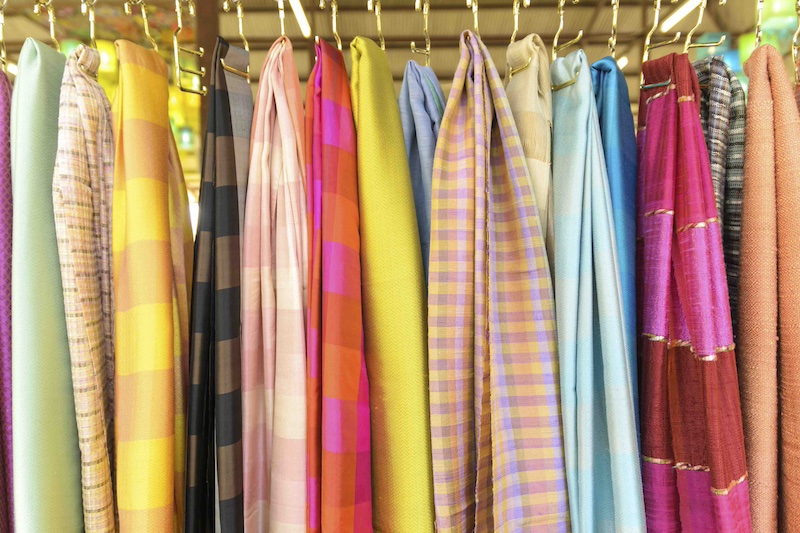
Store Vulnerable Items Securely
Clean items that are not used regularly can be stored in moth-proof containers or bags.
Do not seal an item away until you are confident it is clean and uninfested.
For additional protection in suitable enclosed storage areas, consider Zero In® Moth Balls.
Inspect Second-Hand Items
Vintage clothes, antique rugs, upholstered furniture and other second-hand textiles can potentially introduce insect pests.
Inspect and appropriately clean newly acquired items before placing them alongside an existing collection or wardrobe.
Vacuum Regularly
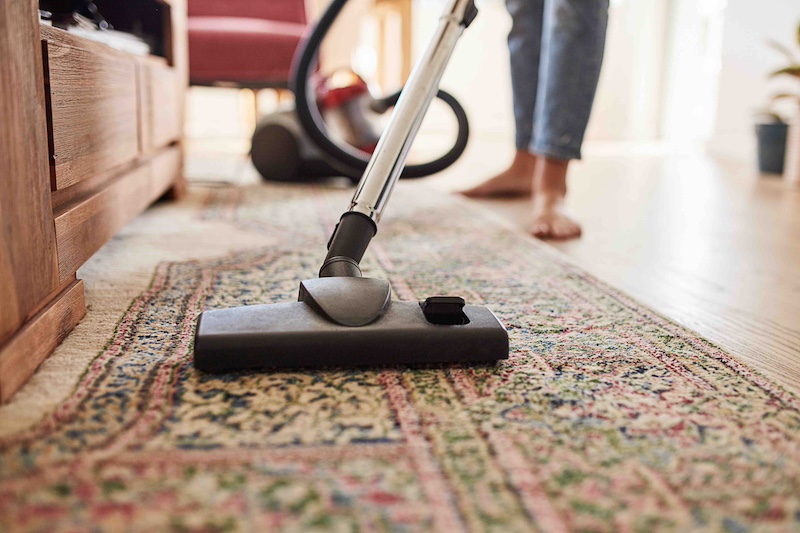
Regularly vacuum carpet edges, underneath furniture, wardrobes and other quiet storage locations.
This removes dust, lint, hair and fibres that can provide food or harbourage and gives you an opportunity to detect new insect activity before serious damage occurs.
Managing Clothes Moths Using Integrated Pest Management
The most effective approach to a persistent clothes moth problem is not simply to keep applying insecticide.
Historyonics promotes Integrated Pest Management (IPM) — combining identification, monitoring, housekeeping, physical treatments, targeted control and prevention.
For clothes moths, this means:
Identify – Establish which insect is responsible.
Inspect – Find the affected material and likely larval harbourages.
Monitor – Use an appropriate pheromone monitoring system such as the Pheromoth® Trap or Combined Clothes Moth Kit to determine where adult moth activity is occurring.
Clean – Remove dust, hair, fibres, larvae and other debris.
Treat – Use washing, freezing or appropriately targeted products such as Constrain® where necessary.
Protect – Return clean items to suitable storage and consider appropriate preventative products.
Monitor again – Continue checking traps and vulnerable areas to make sure activity is declining.
For persistent Webbing Clothes Moth populations, T PROTECT™ can also form part of a longer-term IPM programme.
This approach reduces unnecessary pesticide use while targeting treatment where and when it is actually needed.
Frequently Asked Questions About Clothes Moths
What do clothes moths look like?
The Common or Webbing Clothes Moth is a small silvery-gold or fawn moth approximately 5–8mm long. Adults tend to avoid light and may be seen scuttling across surfaces rather than flying, particularly in cooler conditions.
What do clothes moth larvae look like?
Webbing Clothes Moth larvae are whitish or almost transparent with an orange-brown head and can reach approximately 10mm long. They may be concealed amongst silk webbing.
Casemaking Clothes Moth larvae create characteristic fibrous cases that they carry with them.
Do adult clothes moths eat clothes?
No. The characteristic textile damage is caused by the larvae, not the adult moth.
This is why killing visible adults does not necessarily solve an infestation.
Where should I look for clothes moth larvae?
Start with dark and undisturbed locations containing vulnerable materials. Check carpet edges, underneath heavy furniture, wardrobes, drawers, rugs, stored textiles, floorboard gaps and other areas where dust and fibres accumulate.
What materials do clothes moths attack?
Clothes moth larvae particularly seek animal-derived materials such as wool, fur, hair, feathers and skins. They may also feed amongst lint, dust, cotton and linen where oils, sweat and organic debris are present.
Do pheromone traps get rid of clothes moths?
Pheromone traps such as the Pheromoth® Trap are extremely useful for monitoring adult moth activity and helping to locate an infestation, but they should normally form part of a broader clothes moth management programme.
Cleaning, inspection and dealing with the damaging larval stage remain essential.
Where should I put a clothes moth trap?
Webbing Clothes Moths are relatively poor fliers, so Historyonics recommends positioning Pheromoth® traps at a relatively low level, such as on the floor or near wardrobes, cupboards and shelves.
How often should I replace a Pheromoth trap?
The Historyonics Pheromoth® Trap should normally be changed every three months, or sooner if the glue surface becomes covered with insects, dust or fluff.
Does washing kill clothes moths?
Where the material can safely tolerate it, washing at 60°C can eliminate most moths and larvae.
Does freezing kill clothes moths?
The Historyonics clothes moth guidance recommends sealing suitable affected materials in a plastic bag and freezing at -20°C for two weeks to kill eggs, larvae and adult moths.
Why do clothes moths keep coming back?
Clothes moths have several life stages, and eggs, larvae or pupae may remain hidden after adult moths have disappeared.
Larvae and pupae can also survive for long periods, making continued monitoring and good housekeeping important even after an infestation appears to have declined.
Need Help With Clothes Moths?
The key to managing clothes moths is to identify, inspect, monitor, treat and prevent.
Don’t concentrate solely on the adult moths you can see. Finding where the larvae are feeding and removing the conditions that allow them to survive is essential for long-term clothes moth control.
Historyonics supplies specialist products for clothes moth identification, monitoring, trapping, treatment and long-term management, including:
-
Pheromoth® Trap – for monitoring Webbing Clothes Moths
-
Clothes Moth Kit – Webbing & Case-making Moths – for monitoring both principal species
-
Constrain® – for treating appropriate surfaces and harbourages
-
Protector Natural Aerosol Total Release – for room and space treatment
-
T PROTECT™ – for long-term Webbing Clothes Moth population management
-
Zero In® Moth Balls – for protecting clothes in appropriate enclosed storage areas
- Biomoth control – for non insecticide alternative control solution
If you’re unsure which clothes moth species you have, which monitoring system you require or which treatment is appropriate, contact us for advice.